
South Korea Chip Worker Bonuses Raise Inflation Alarm at Central Bank
Multimillion-won bonuses for South Korea's tech sector workers have prompted the Bank of Korea to flag fresh upward pressure on inflation.
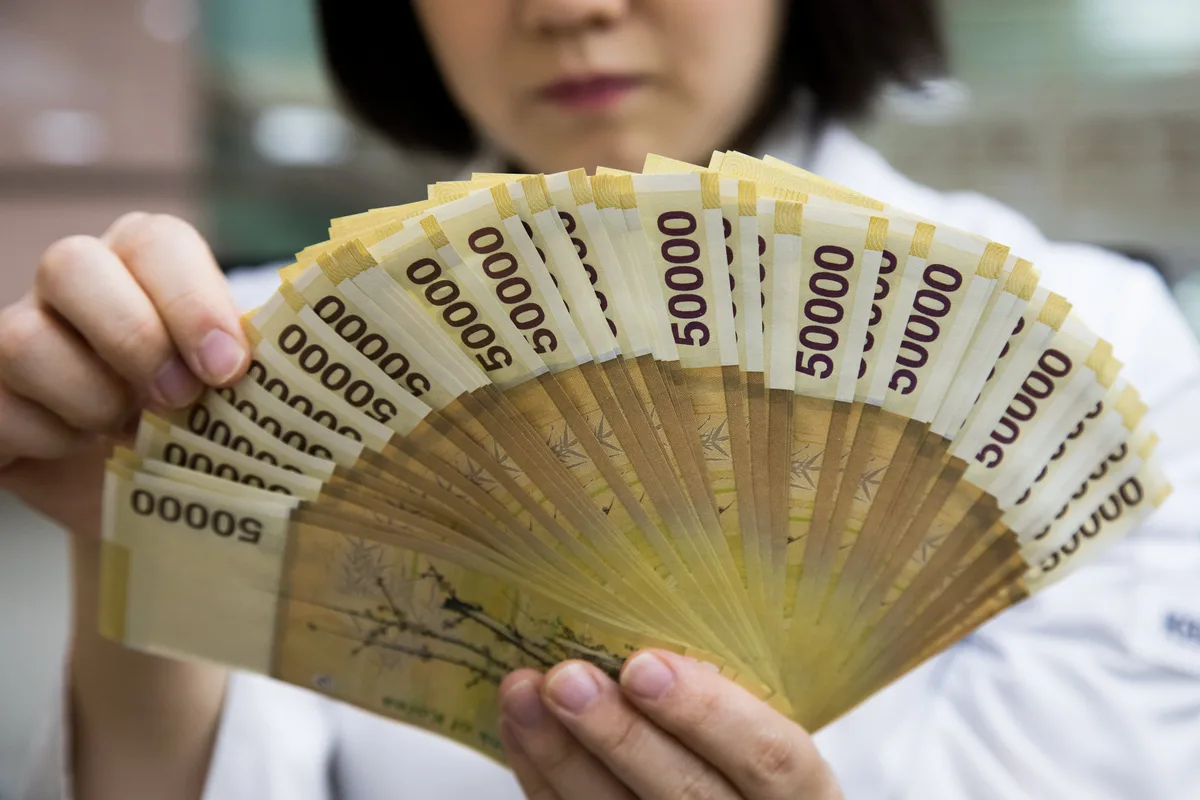
The Bank of Korea has issued an inflation warning after workers in South Korea's semiconductor and broader technology industries received bonuses worth millions of won, raising concerns that the sudden surge in purchasing power could push consumer prices higher across the economy.
Large one-time payouts to chip sector employees are drawing central bank scrutiny because of their potential to fuel demand-driven inflation. When a concentrated group of high-earning workers receives substantial extra income simultaneously, the ripple effect on consumer spending can be swift and measurable, analysts note.
Read more VeriSign Financials: Revenue, Margins, and Peer Comparison →
The Bank of Korea's alert signals that policymakers are watching wage-adjacent income flows — not just base salaries — as a variable in their inflation calculus. For a central bank already navigating a delicate balance between supporting growth and containing price pressures, bonus cycles in export-driven industries add a layer of complexity to monetary policy decisions.
South Korea's semiconductor industry sits at the heart of the country's export economy, and compensation packages at major chipmakers carry outsized macroeconomic weight. When profits surge on the back of global chip demand, the downstream effects on domestic inflation can become a meaningful policy concern rather than a footnote.
The development underscores a broader challenge facing central banks globally: distinguishing between healthy wage growth that reflects productivity and episodic income spikes that may temporarily distort inflation readings without signaling structural change. Continue reading at US Top News and Analysis.